
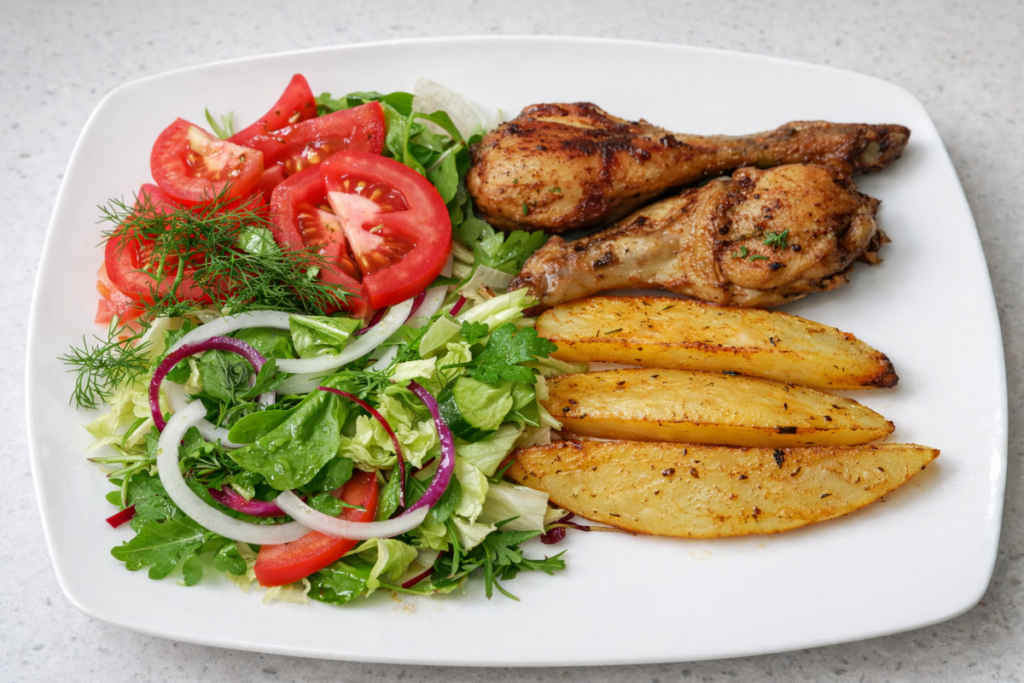
Starting to lose weight after 40 can feel overwhelming. With so many options, systems, and “rules,” it’s easy to feel stuck before you even begin. When I decided to focus on losing weight after 40, I wasn’t looking for extreme results. I wanted something sustainable — something I could maintain long term while protecting my energy and reducing stress. In the beginning, I honestly had no idea where to start. In my Week One update, I shared what those first few days looked like and what I began noticing about my mindset and energy levels. Here’s what I’ve learned so far about how to begin without feeling overwhelmed.
Considering Different Types Of Intermittent Fasting
While I was still finding my way through my journey, I started to consider intermittent fasting as a potential option.
Some of the most commonly seen types of intermittent fasting include:
12/12 – You fast for 12 hours and then you can eat in a 12 hour window. This is often the easiest type of fasting for people who are new to fasting.
16/8 – You fast for 16 hours and then you can eat in an 8 hour window. This is one of the most common forms of intermittent fasting and is often recommended for beginners.
18/6 or 20/4 – These refer to longer fasting periods and shorter eating windows.
OMAD (One Meal a Day) – You eat one meal per day, but that meal must be eaten within a small window of time.
There is not one best form of intermittent fasting; there are many variations of the practice and your goal should be to find a form that will reduce your stress levels, not increase them.
My Personal Experience With The 16/8 Method Of Intermittent Fasting
Since I had never tried intermittent fasting previously, I chose to use the 16/8 method first.
I determined that my eating window would consist of:
– Light Breakfast
– Fruit Snack
– Dinner within my eating window
Initially, I thought that my eating schedule seemed balanced.
However, I quickly noticed that I was spending an excessive amount of time thinking about food.
When I say I was thinking about food, I am referring to questions such as:
How long has it been since I last ate?
Should I eat now or wait?
Is this enough protein?
What comes next?
Again, my physical hunger was not the issue; it was the continuous mental planning that was causing the problem.
That steady stream of food related thoughts started to feel heavy. They were not overwhelming; they were persistent.
At that point, I recognized something important:
If a method causes you to mentally negotiate with yourself all day long, it likely will not be sustainable.
Simplification Creates Space
Rather than add more structure to my life, I chose to simplify.
I began eating only once a day within a specific window of time.
I quit grazing.
I quit checking the clock.
I quit making multiple food decisions throughout the day.
What amazed me the most was not the physical, but the mental.
I experienced:
– Increased Focus
– Less Consumption By Thoughts Of Food
– Increased Energy Throughout The Day
– Less Hunger Than Expected
By reducing decision fatigue, I was able to create more mental space.
And that space felt liberating.
Lowering Stress Can Be Just As Important As Lowering Calories After 40
Why Protein Matters After 40
One of the things I have learned about nutrition thus far is that protein is essential for our well being.
As we age, maintaining muscle mass becomes increasingly important. Research shows that adults naturally lose muscle mass over time, which can affect metabolism and strength. Protein plays a role in preserving muscle mass and in supporting metabolic health and appetite regulation.
Now, when I think about planning my meals, I give more consideration to the quality and balance of protein, rather than just trying to consume fewer calories.
Another aspect that matters is flexibility. Our bodies go through different seasons. What works for us during one season may require adjustment in another.
This isn’t about creating rigid rules.
This is about being aware.
Beginning Your Own Weight Loss Journey After 40
If you’re wondering how to begin your own weight loss journey after 40 without feeling overwhelmed, here is what I would recommend:
- Begin Simply
Find a structure that requires minimal mental effort, rather than more.
- Choose Nourishing Options Over Restrictive Options
Consider focusing on protein and balanced meals — not just eating less.
- Make Only One Change At A Time
Making too many changes at once typically leads to burnout.
- Provide Yourself With Flexibility
Your first choice doesn’t have to be your final choice.
Flexibility is not the same as giving up.
Flexibility is recognizing that you are adapting.
A Last Word
You do not have to begin your weight loss journey after 40 like you are in an action film.
You can begin slowly,
Purposefully,
With Sustainability In Mind.
For me, the biggest change I’ve experienced has not been physical.
It’s been mental.
Fewer Distractions.
Less Internal Pressure.
More Clarity.
And Sometimes That’s Where Real Change Begins.
—Nonto
Sense of Bloom | Blooming gently, one day at a time
Disclaimer
The information presented on Sense of Bloom is based upon the author’s experience and for informational purposes only. Therefore, it does not provide medical or dietary advice. Always consult a licensed healthcare provider prior to making substantial changes to your diet, fasting routine, or lifestyle — especially if you have pre-existing medical conditions.